Firearms Training for Beginners: A Guide to Handgun, Gun & Pistol Training

Introduction: Entering the World of Handgun Safety
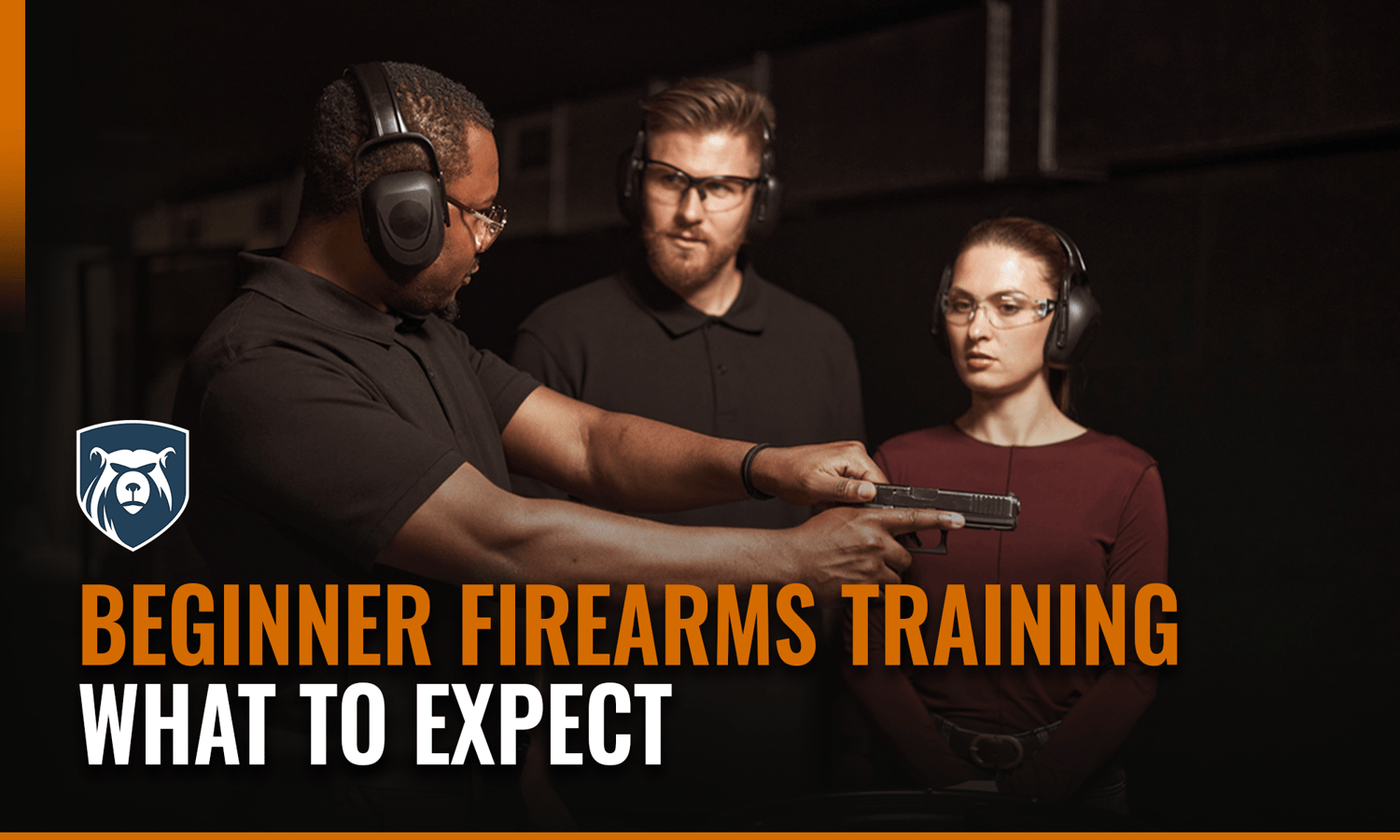
Signing up for your first firearm training class can feel intimidating, but it is an opportunity to learn in a safe and approachable way. Many beginners have fears or misconceptions about using a gun, but proper guidance helps build confidence and understanding. Classes teach not only practical skills but also the importance of responsibility and safe handling. Sessions typically include a mix of classroom instruction, demonstrations, and hands-on exercises, all guided by a qualified instructor.
Before You Begin: Legal Requirements & What to Bring
Before attending class, ensure you meet all legal requirements, which may include age restrictions or permits depending on local laws. Bring identification, ear and eye protection, closed-toe shoes, and a notebook for taking notes. Following legal guidelines is a key part of responsible firearm ownership and sets the stage for a safe learning experience.
See also: what every new gun owner needs to know
STAY READY. STAY INFORMED.
Get self-defense law updates, safety tips, and member stories delivered straight to your inbox. Sign up for the Right To Bear newsletter.
Meet Your Instructor: Who Teaches Your Class
The instructor guides students through every aspect of the course. Most instructors hold certifications from recognized firearm safety organizations and have extensive teaching experience. Smaller instructor-to-student ratios allow for personalized attention and quicker correction of mistakes. When selecting a class, it is important to verify the instructor’s credentials to ensure effective and safe instruction.
Handgun Anatomy & Terminology Simplified
Understanding handgun parts and terminology is a foundational skill for beginners. Learning the basics not only helps students follow instructions more accurately but also builds confidence when handling a firearm. Starting with this knowledge makes it easier to understand how the gun functions, reduces uncertainty, and allows students to focus on developing safe habits from the very beginning.
Some key parts to know include:
- Barrel: The part through which the bullet travels.
- Trigger: The mechanism that fires the gun.
- Magazine: Holds and feeds ammunition into the chamber.
- Handgun types: Revolvers have a rotating cylinder, while semi-automatics cycle rounds automatically.
- Treat every gun as loaded: Always assume a firearm is loaded, even if you believe it is not.
- Keep the muzzle pointed in a safe direction: Never aim at anything you do not intend to shoot.
- Keep your finger off the trigger until ready to fire: Only place your finger on the trigger when you are prepared to shoot.
- Know your target and what is beyond it: Be aware of what you are shooting at and what lies behind it.
- Use proper protective gear: Eye and ear protection are essential for all shooting activities.
- Follow safe storage, transportation, and handling practices: Instructors demonstrate techniques to prevent accidents at home, on the range, or while transporting firearms.
Familiarity with these terms and components prepares beginners for safe handling and clear communication with instructors. Understanding the anatomy of a handgun also provides the foundation for the next step: learning essential safety rules, the protective gear needed, and proper handling techniques to prevent accidents and build responsible habits.
These are just the most basic concepts. Theres a lot more to learn, but with some help from your firearm instructors, you’ll be well on your way to becoming an expert.
The Training Process: Step-by-Step Learning Journey
Beginner classes are structured to gradually build skill and confidence. Classroom instruction covers theory and terminology, followed by demonstrations and dry-fire exercises. Range orientation familiarizes students with protocols and layout. Supervised exercises and drills allow students to apply skills step by step, ensuring a smooth transition to live-fire exercises.
Range Rules & Etiquette: What You Need to Know
Following range rules protects everyone on the range. Instructors will explain common commands and when it is safe to load and unload firearms, as well as their own house rules on their range. Students also learn how to set up targets, clean up after sessions, and demonstrate courtesy to other shooters. Clear communication and adherence to etiquette create a safe and respectful environment.
See also: what to expect from a concealed carry class
Your First Live-Fire Experience
The first live-fire session is closely supervised to ensure safety and confidence. Instructors provide guidance on body stance, grip, sight alignment, and breathing. Students are encouraged to stay calm, follow instructions carefully, and use feedback to improve their skills while enjoying the learning process.
Building Confidence & Overcoming Nervousness
Nervousness is normal for first-time shooters, and instructors emphasize that repetition builds control and familiarity. Techniques such as controlled breathing, focusing on fundamentals, and trusting the instructor’s guidance help manage anxiety. Students are encouraged to be patient with themselves and to acknowledge progress at each stage.
Common Mistakes Beginners Make (and How to Avoid Them)
Making mistakes is a normal part of learning to handle a firearm. Beginners often encounter challenges as they develop proper technique, and recognizing these errors early helps build skill and confidence. Instructors are there to provide guidance, correct mistakes, and reinforce safe habits.
Common beginner errors include:
- Poor stance: Not positioning the body properly can affect balance and control.
- Incorrect grip: Holding the handgun improperly reduces accuracy and can increase recoil impact.
- Inconsistent trigger control: Jerking or slapping the trigger can throw off shots.
- Overconfidence: Rushing through exercises without focus can lead to mistakes.
- Neglecting safety rules: Failing to follow basic safety principles increases the risk of accidents.
- Cleaning kit: Brushes, rods, and patches for removing residue from the barrel and chamber.
- Cleaning solvents and lubricants: Used to remove fouling and protect moving parts.
- Gun oil: Keeps metal components from rusting and ensures smooth operation.
- Bore snake or cleaning rod: Helps clean the barrel efficiently.
- Storage solutions: Lockable cases, safes, or cabinets for secure storage.
- Inspection tools: Small mirrors, picks, or magnifiers to check for wear or damage.
Instructors provide feedback and corrective guidance to help students make small adjustments that improve both accuracy and safety. Accepting mistakes as part of the learning process encourages growth, reinforces safe habits, and prepares students for more advanced training exercises.
See also: How to Grip a Pistol
Certification & Continuing Practice Options
Completing a beginner class can lead to certification or satisfy licensing requirements in some regions. Students may continue with defensive or concealed carry courses and maintain consistent visits to the range. Lifelong learning, regular practice, and safety refreshers are integral to responsible firearm ownership.
Essential Safety Gear & Maintenance Tips
Proper maintenance is essential for keeping firearms safe, reliable, and ready for use. Beginners should understand that regular cleaning and inspection are not optional—they are a key part of responsible ownership. Developing good habits early ensures firearms remain in proper working order and reduces the risk of malfunctions.
Essential maintenance gear includes: Post-range cleaning, routine inspections, and a consistent maintenance schedule prevent malfunctions and extend the life of a firearm. Incorporating these habits reinforces safe ownership practices and ensures that every training session and range visit remains productive and secure.
See also: How to Clean a Pistol
Conclusion: Confidence, Safety & Responsibility
A first firearm training class lays the foundation for safe and responsible ownership. Beginners are introduced to essential safety rules, learn the parts and functions of a handgun, and practice basic handling techniques in a controlled environment. This early instruction helps students gain confidence, understand proper grip and stance, and become familiar with range etiquette and instructor guidance. By focusing on both knowledge and hands-on experience, students build a strong base for safe, effective firearm use.
Continued learning and consistent practice are critical for maintaining and improving these skills. Regular range visits, review of safety principles, and reinforcement of proper handling habits ensure long-term competence and confidence. As students progress, their awareness of potential risks grows alongside their technical abilities, creating a mindset that prioritizes responsibility and safety.
See also: What is CCW insurance
Over time, careful practice and attention to proper procedures allow safety and confidence to grow together, establishing habits that support responsible firearm ownership for life.
FAQ's
Where can I find introductory firearms training for beginners and shooting classes near me?
Look for beginner firearms classes at local shooting ranges, firearms training schools, and qualified instructors. Choose a course specifically designed for first-time shooters, such as firearm training, handgun training, or gun training for beginners.
What are the 4 basic rules of firearm safety?
Treat every firearm as loaded, never point it at anything you are unwilling to destroy, keep your finger off the trigger until ready to fire, and know your target and what is beyond it.
What are the concealed carry permit requirements for first-time owners?
Requirements vary by state and may include age requirements, background checks, firearms training, fingerprints, and an application. Some states do not require a permit.
Should I choose a private firearms instructor or a group basic pistol class?
Private instruction provides personalized coaching, while group classes are generally more affordable. Both can be effective for beginners and shooters of all levels when taught by a qualified instructor.
What are the best beginner-friendly handguns for range practice?
The best beginner handgun is one that fits the shooter comfortably, is manageable to operate, and can be handled safely. A qualified instructor can help beginners choose an appropriate firearm for range training.
What firearms safety and training is available for women and first-time shooters?
Beginner courses for women and first-time shooters typically cover firearm safety, handling, range procedures, and basic shooting fundamentals. Some instructors offer women-specific handgun training and gun training classes.
What should I expect at my first firearms training session?
Expect instruction on firearm safety, range rules, safe handling, and basic shooting fundamentals. Live-fire practice is typically conducted under instructor supervision as part of firearm training and range training.
What is the difference between online and in-person firearms safety courses?
Online courses can teach safety principles, terminology, and laws. In-person training provides hands-on instruction and supervised practice, making it important for developing safe firearm-handling skills.
What are the basics of handgun grip and stance for novices?
Beginners typically learn a stable stance, proper grip, safe muzzle direction, and keeping the trigger finger outside the trigger guard until ready to fire. These skills are best learned through handgun training with a qualified instructor.
What firearms training is available for home defense for seniors?
Home-defense training for seniors should emphasize firearm safety, secure storage, awareness, decision-making, and responsible defensive practices. Training can be adapted to individual physical abilities and experience levels.
What is the cost of basic firearms training and range fees?
Costs vary by instructor and location. Beginners may also pay separately for range fees, ammunition, firearm rental, targets, and eye and ear protection. Gun training, handgun training, and other firearm training programs may have different costs.
How can I start learning about guns safely from home?
Start with firearm safety rules, terminology, responsible storage, and applicable laws. Use qualified educational resources, then seek hands-on instruction from a qualified firearms instructor or a local facility..
ONE WRONG MOMENT SHOULDN'T COST YOU EVERYTHING
Carry with confidence. Right To Bear backs you with 24/7 attorney-answered support and full legal defense — no caps, no deductibles. Become a member today.