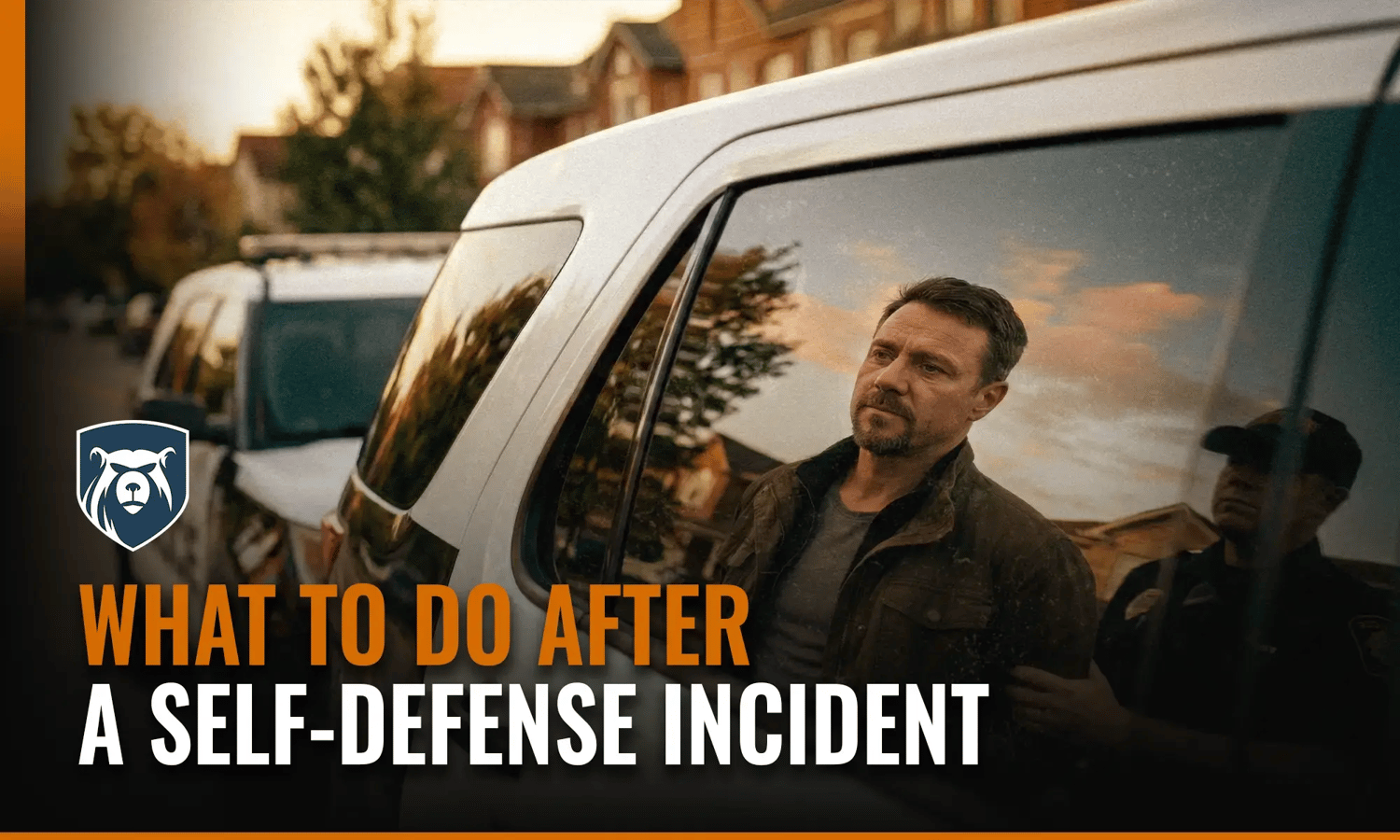
If you are ever forced to defend yourself, the incident itself may be over in seconds but the legal aftermath might stretch on for much longer and dig deep into your pockets. What happens after the bang begins immediately, and the choices you make and the support you have in the first 15 minutes and first 24 hours can shape the entire trajectory of your case.
If you are ever forced to defend yourself, the incident itself may be over in seconds but the legal aftermath might stretch on for much longer and dig deep into your pockets. What happens after the bang begins immediately, and the choices you make and the support you have in the first 15 minutes and first 24 hours can shape the entire trajectory of your case.
People searching for answers after an incident like this tend to ask the same questions. What happens if you kill someone in self defense? If you shoot someone in self defense, what happens next? What should you say to the police, and should you ask for a lawyer right away? Right To Bear’s self-defense aftermath guide walks through exactly what to prioritize, in order, from the moment the threat ends through the first full day afterward, and why having emergency legal support already in place changes everything that follows.
The First 60 Seconds: Secure the Scene
Before anything else, your safety and the safety of those around you comes first.
- Scan your surroundings for any additional threats
- Do not approach the person who was shot
- Holster or safely secure your firearm if it is safe to do so
- Avoid handling or moving anything at the scene unnecessarily
These first seconds are about stabilizing the situation, not explaining it. That part comes later, and it comes with an attorney involved.
Call 911 Immediately
Once the scene is safe, call 911 right away. Keep the call brief and factual:
- State your name
- State your location
- Say "I was attacked"
- Request police and medical assistance
What you want to avoid on this call is just as important as what you say. Do not offer a detailed narrative of what happened. Do not speculate about the other person's intentions. Do not draw legal conclusions out loud, even ones that feel obviously true to you at the moment. Make sure the police understand the situation so they have an accurate assessment of the situation beforehand but do not go into conjecture and unsubstantiated stream of consciousness thought.
When Police Arrive, Comply Calmly
When officers arrive, keep your hands visible and follow their commands without hesitation. Temporary detention is common in these situations and does not mean you are being charged with anything. Officers arriving on scene are focused on securing the area and assessing the situation, not determining legal justification at that moment.
Should You Ask for a Lawyer Immediately?
Yes. After identifying yourself and stating that you were attacked, it is reasonable and advisable to say clearly: "I will cooperate fully. I would like to speak with my attorney before answering questions."
This is not about hiding anything. It is about protecting yourself from a few specific risks. Adrenaline significantly affects memory recall in the minutes and hours after a traumatic event, and details you state with confidence in the moment may not match the physical evidence later. Inconsistent early statements, even unintentional ones, can be used against you. Even in cases of clearly lawful self-defense, arrest can still occur while the investigation unfolds.
Explore: Right To Bear 24/7/365 Emergency Attorney-Answered Hotline
If you are a Right To Bear Member, you could have a lawyer on the phone and aware of your situation before the police even arrive. With RTB’s 24/7/365 emergency attorney-answered hotline, an experienced gun lawyer will take your call no matter the hour to establish critical attorney-client privilege and have resources activated for you.

What Happens If You Shoot or Kill Someone in Self Defense?
Justification does not mean automatic clearance. Self-defense is a legal defense, not immunity from investigation.
In the immediate aftermath, you should expect that you may be detained or arrested, you may be transported for formal questioning, your firearm will almost certainly be seized as evidence, and prosecutors will review the case regardless of how clear the circumstances seem to you.
The First 15 Minutes: Critical Actions Checklist
Here is a simple breakdown of what to do, and what to avoid, in the immediate aftermath:
What to do:
- Ensure your safety and the safety of others
- Call 911
- Request medical assistance
- Identify any witnesses present, if possible
- Request an attorney before giving a detailed statement
- If you are a Right To Bear member, you will have already called and started your defense.
What not to do:
- Provide a detailed narrative of events
- Speculate about motives or intentions
- Post anything on social media
- Discuss the incident with bystanders or onlookers
The First 24 Hours: What Happens Next?
The hours following the incident can unfold in a few different ways. You may be released pending further investigation, formally arrested, or moved toward a bail determination. Media coverage can begin quickly in some cases, and it is not unusual for civil attorneys representing the other party to begin outreach during this same window.
During this period, several areas of legal exposure are active simultaneously: the criminal investigation itself, the possibility of formal charges, civil lawsuit risk, and bail exposure if you are arrested. The first 24 hours genuinely do shape the legal trajectory of everything that follows.
Explore: RIGHT TO BEAR MEMBER BENEFITS
Preserve Evidence Strategically
Evidence has a way of disappearing quickly, whether through time, weather, or simple lack of preservation. Where possible:
- Identify any surveillance cameras in the area that may have captured the incident
- Preserve your clothing exactly as it was, without washing or altering it
- Note contact information for any witnesses
- Avoid tampering with or altering the scene in any way
Use the Emergency Attorney Hotline Immediately
A self-defense incident can happen without warning, and the legal consequences begin immediately. What you say, how you say it, and when you say it can directly affect whether you are detained or arrested, how investigators interpret your statements, how prosecutors evaluate the case, and how your eventual defense strategy gets structured.
This is exactly why the Right To Bear 24/7/365 emergency attorney-answered hotline exists. It connects you immediately to a real attorney, not a call center, who can guide you on how to speak with investigators, advise you if you are detained or arrested, direct you on preserving evidence, and walk you through the next legal steps in real time.
The earlier legal guidance begins, the stronger your defense foundation becomes.
Why Preparation Must Exist Before the Incident
There is a hard truth at the center of all of this: you cannot activate protection after questioning has already begun, and you certainly cannot arrange legal access from a holding cell. Adrenaline affects memory and communication in ways that are difficult to predict, and early misstatements, made with the best of intentions, can follow you through the rest of the legal process.
Right To Bear provides a 24/7/365 attorney-answered emergency hotline, criminal defense protection, civil defense protection, and structured post-incident legal support built specifically around lawful self-defense incidents. If you carry for personal protection, your legal protection should already be in place before you ever need it.
Why the First 24 Hours Are Strategically Decisive
Immediate attorney involvement in this window helps with controlled communication, evidence preservation, bail preparation if needed, media risk management, and most importantly, preventing the kind of early mistakes that are difficult to undo later. Early statements can shape the entire case, for better or worse.
What Happens Financially After a Self-Defense Incident?
Beyond the legal proceedings themselves, the financial side of a self-defense incident can include potential bail exposure, attorney retainers required almost immediately, lost wages from time away from work, and civil litigation risk that can extend well beyond any criminal outcome. Without coverage in place, these costs land squarely on you and your family at the exact moment you are least prepared to absorb them.
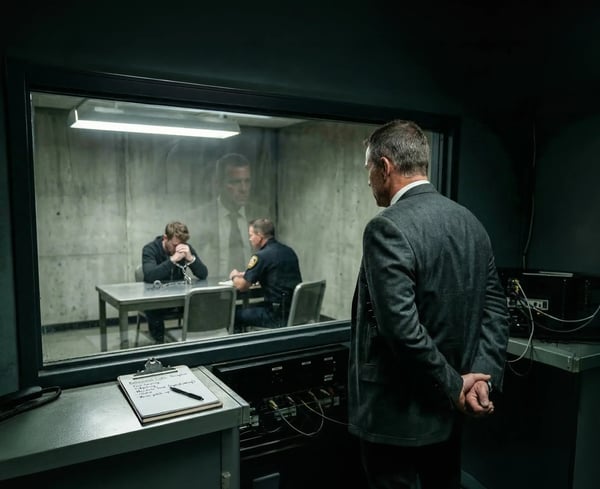
The Biggest Mistakes People Make After a Self-Defense Incident
A few patterns show up again and again in cases that go poorly:
- Talking too much to investigators before speaking with an attorney
- Not calling an attorney immediately after the incident
- Assuming that being justified means avoiding arrest entirely
- Posting about the incident on social media
- Delaying legal protection until after something has already happened
Every one of these mistakes is avoidable with the right preparation and the right support already in place.
Who This Protocol Is Designed For
This guide is written for concealed carriers, home defenders, multi-state carriers, and anyone who takes responsible firearm ownership seriously. Preparation is part of that responsibility, not separate from it.
Get Protected Before You Need It
A self-defense incident does not announce itself ahead of time. There is no warning that gives you a chance to call around and figure out which attorney to hire or how you will cover the cost. The moment happens, and then the legal process begins, whether you are ready for it or not.
A Right To Bear membership means you do not face that moment alone. It gives you a 24/7/365 emergency attorney hotline answered by a real attorney, not a call center, so the very first call you make after 911 connects you to someone who can guide you through what to say and what not to say.
After you and your attorney make contact, your membership includes criminal and civil legal fee coverage for both the initial case and any appeal, so a justified act of self-defense does not turn into a financial crisis for your family. If your firearm is seized as evidence, firearm replacement coverage helps you get back to feeling secure in your own home. With the optional bail bond benefit, you can add protection of up to $100,000 so that an arrest during the investigation does not mean sitting behind bars while your case moves forward.
None of this is protection you want to need, but if the moment comes, you will not have time to prepare for it then. You will only have what you already put in place. Sign up today and make sure the right support is standing by before you ever have to make that first call.
Frequently Asked Questions
What happens if you kill someone in self defense?
You may still be detained, investigated, or arrested while authorities determine whether the use of force was justified. Self-defense is a legal defense, not automatic immunity from the investigative process.
If you shoot someone in self defense what happens next?
Police secure the scene, collect evidence, take statements, and forward the case to a prosecutor for review. Your firearm will likely be seized, and the investigation can take weeks or months to resolve.
Should I talk to the police without a lawyer?
Never speak to the police without a lawyer present. You can still cooperate fully with officers on scene while declining to answer detailed questions until your attorney is present. This isn’t about whether you are guilty or not, it is simply practical advice purposely enshrined to all Americans because the fact is, a lawyer can help guide you through a stressful situation you may not have processed yet.
Can I be arrested even if I acted lawfully?
Yes. Arrest can occur during the investigative process even in cases that are ultimately determined to be lawful self-defense. Also, even if you were cleared of criminal charges, you can still be tried in civil court.
When should I call the emergency hotline?
Immediately after calling 911 and ensuring your safety. The earlier a Right To Bear attorney (or your own if you opt to seek your own counsel) is involved, the more effectively your rights and your defense can be protected.