
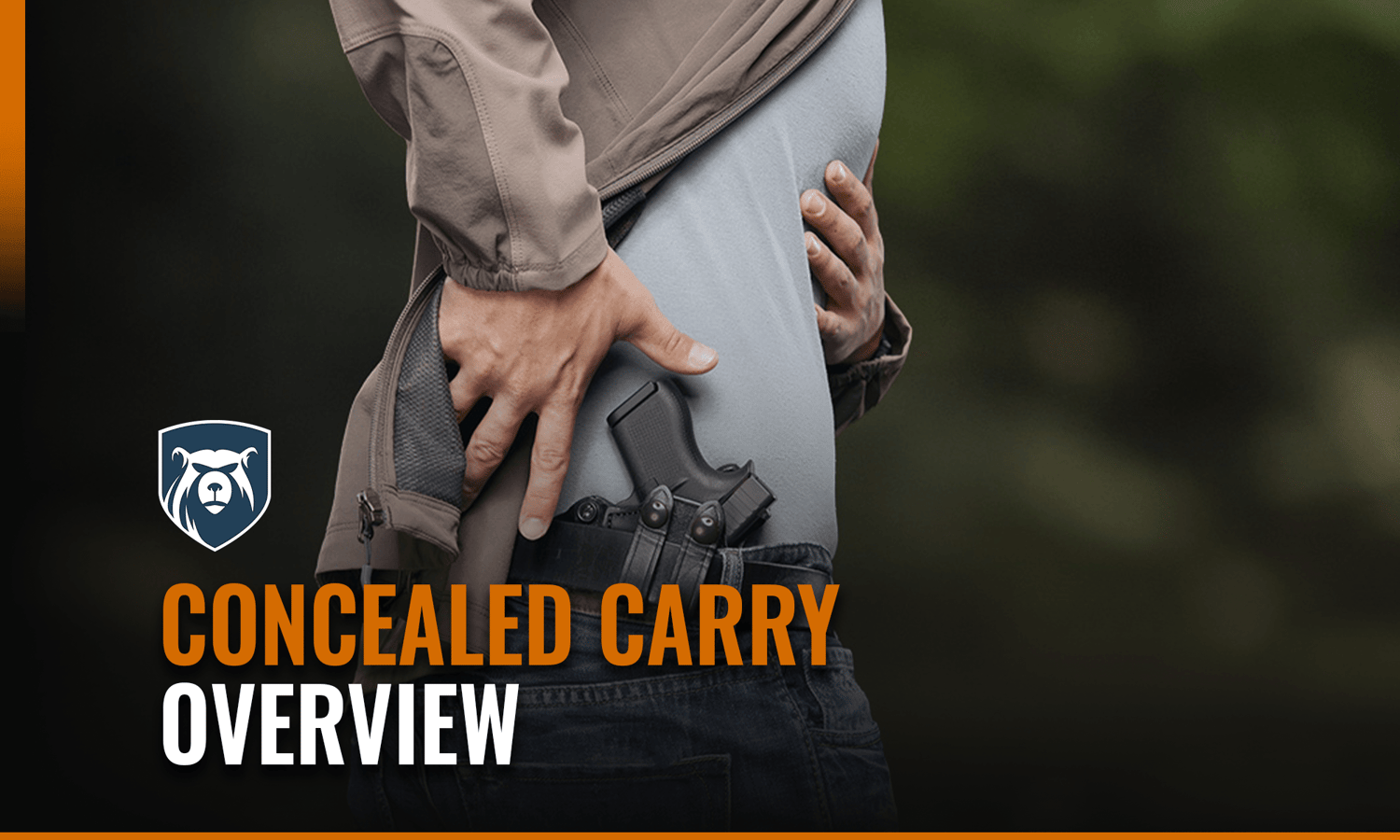
Concealed carry (CCW) means carrying a handgun hidden from public view on your body or in a bag. Unlike open carry, where the gun is visible, concealed carry allows discretion and reduces public alarm.
All 50 states permit some form of concealed carry.
More than 21 million U.S. adults hold active permits. With a dizzying array of products available on the market, anyone can conceal their firearm no matter what season, style of clothing, or gender requirements.
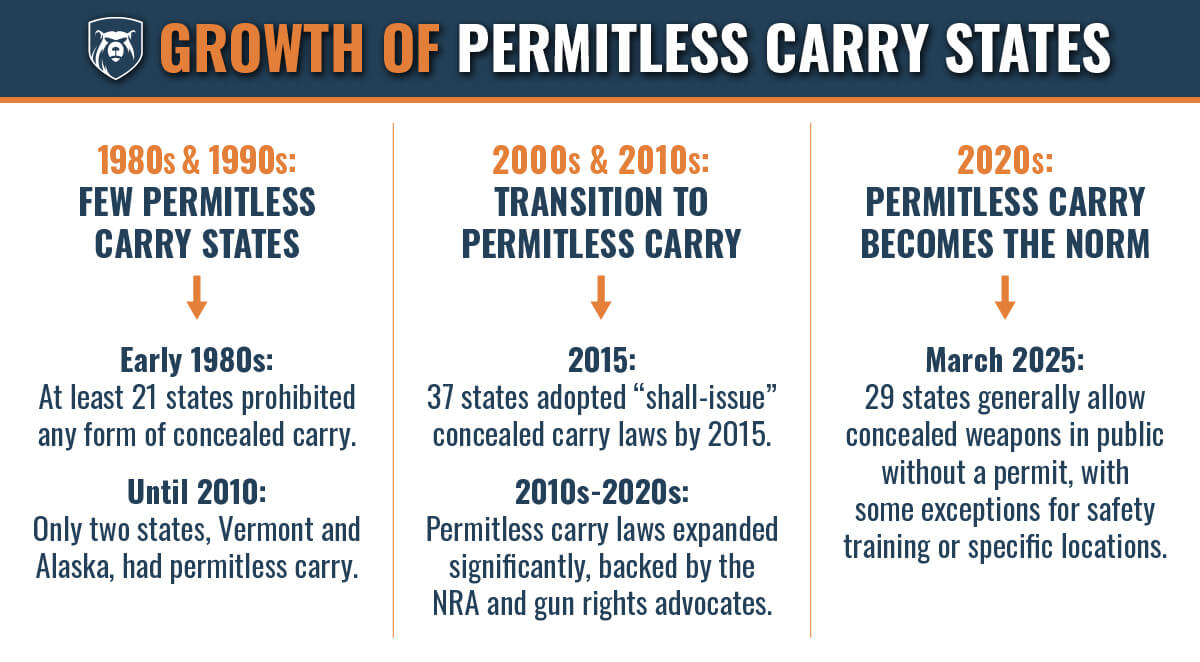
As of 2025, 29 states allow permitless carry but many Americans still seek out permits so they are legally protected while traveling through the process of reciprocity.
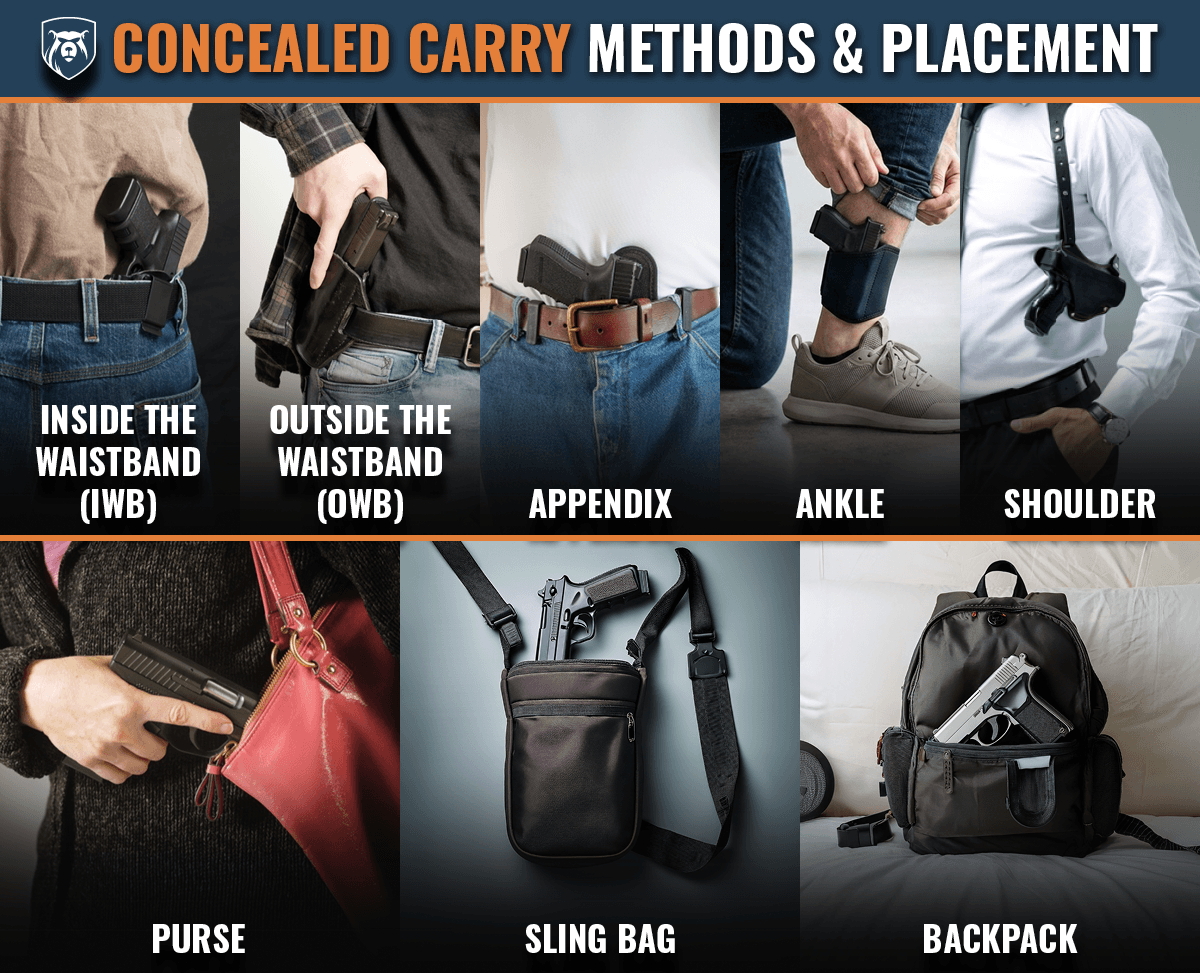
Methods of Concealment
How you carry affects safety and access. There are a number of ways to conceal carry, and this will change depending on the season, choice of style, and gender.
-
On-body holsters: inside-the-waistband (IWB),
-
outside-the-waistband (OWB), appendix, ankle, shoulder, pocket.
-
Off-body carry: purses, sling bags, backpacks with holster compartments.
-
Clothing: structured fabrics and cover garments reduce printing.
History & Legal Evolution
The U.S. has shifted from bans to broad legalization, culminating in over half the US moving to a constitutional carry system. Once, concealed carry was considered antisocial, as the belief was a gun hidden was a gun meant for nefarious reasons.
Now, the attitude has flipped. Open carry is seen as an intimidation thing while concealed carry is the choice for discerning and responsible gun owners.
1813: Kentucky and Louisiana passed the first bans on concealed weapons.
20th century: States moved from no-issue → may-issue → shall-issue permit laws.
2003–2010: Alaska and Arizona pioneered permitless carry.
2022: The Supreme Court in NYSRPA v. Bruen struck down discretionary “proper cause” licensing.
2025: Permitless carry is law in 29 states (Congressional Research Service; Pew Research).
Licensing & Eligibility
Where required, applicants must:
-
Be at least 21 years old (some exceptions at 18).
-
Pass a background check (felonies and domestic violence disqualify) (ATF Federal Firearms Regulations).
-
Submit fingerprints, fees, and application forms through state agencies.
Common disqualifications include restraining orders, a history of drug abuse, or adjudicated mental health conditions.
Training Requirements
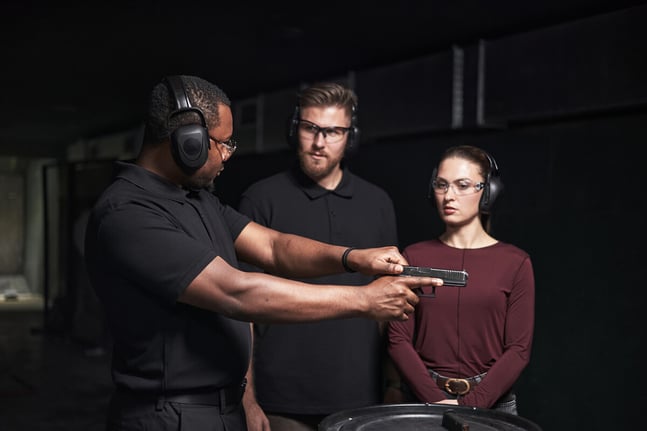
Many states require training for CCW permits.
-
Classroom instruction: firearm safety, storage, use-of-force laws.
-
Live-fire qualification: some states mandate shooting tests.
-
Delaware requires 100 rounds fired during training.
-
Renewals: often every 3–5 years.
While permitless carry states do not require permits anymore, it is still highly recommended a lawful gun owner acquire one and additional training. This matters not only for your ability to properly react during a self-defense incident, but for reciprocity when traveling.
Restrictions & Prohibited Locations
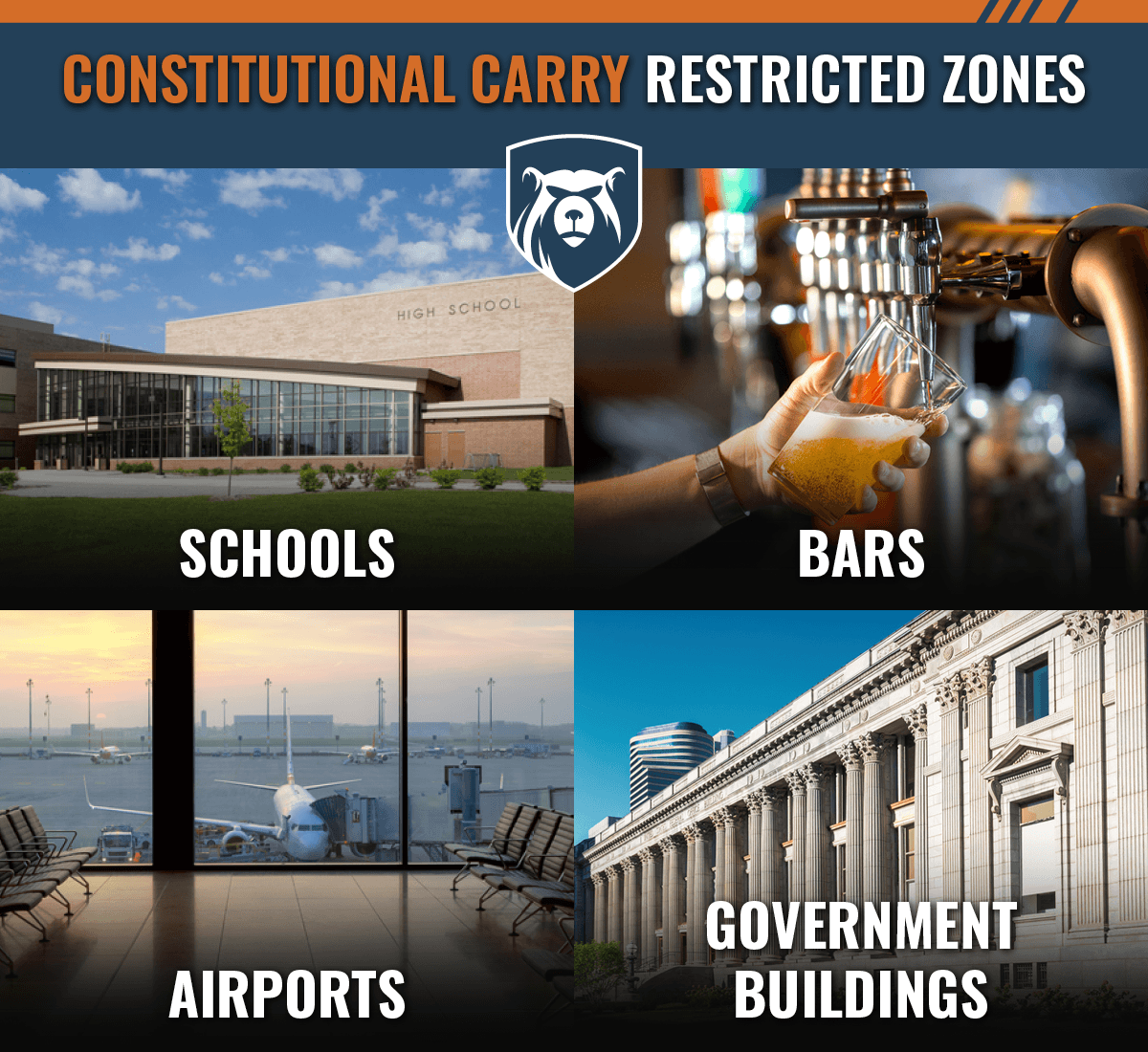
Concealed carry is limited in sensitive places under federal law, and no state law can supersede this.
-
Schools: federal Gun-Free School Zones Act bans carry within 1,000 feet of K-12 schools (18 U.S.C. § 922(q)).
-
Government facilities: courthouses, police stations, and post offices.
-
Bars and alcohol-serving venues: restricted in many states.
-
Private property: posted “No Firearms” signs must be followed.
Violations can mean fines, arrest, or loss of permit. Always make sure you are following the rules of the particular zone you are in. Long-time concealed carriers can forget they even have their firearm at times because they are so used to it so always double-check when entering a sensitive area.
The law won’t care that you forgot it was on your person.
State Variations & Reciprocity
Reciprocity is not national; it’s state-to-state.
-
29 states: permitless carry.
-
21 states: permits required.
Reciprocity agreements: some states recognize dozens of out-of-state permits, others none.
Travelers must follow host state law on location restrictions and storage. Some states are more aggressive in prosecuting issues of out of state permits so plan ahead.
Federal Framework
Federal statutes shape the boundaries of carry. States then work within that framework to interpret federal law and establish their own.
Gun-Free School Zones Act (1990): bans carry within 1,000 feet of schools (18 U.S.C. § 922(q)).
FOPA (1986): protects interstate transport of unloaded, cased firearms (18 U.S.C. § 926A).
LEOSA (2004): nationwide carry for qualified law enforcement officers (18 U.S.C. §§ 926B–926C).
National Parks (2010 rule): carry allowed if consistent with state law, but banned in federal facilities (NPS Firearms Regulations).
International Perspectives
The U.S. is unique in broad civilian carry rights. Some countries have similar laws regarding carrying firearms, but most are more restrictive.
-
UK & Canada: civilian carry is effectively banned.
-
Brazil: occupational permits for security and transport.
-
Czech Republic: shall-issue licensing; ~260,000 permits, making it a European outlier (European Firearms Directive Report).
Practical Safety Concerns
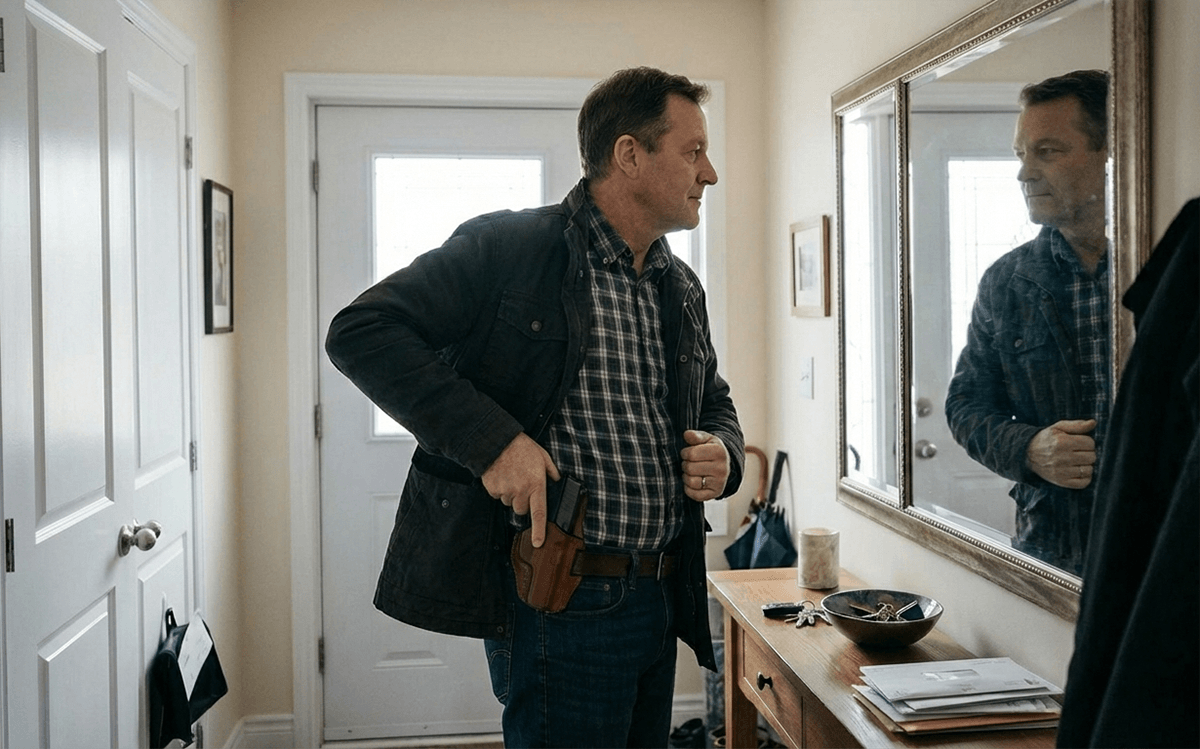
Safe CCW requires responsibility. From how the weapon is carried on your person, to storage and practice holstering and unholstering. Training is the cure for a lack of confidence and establishing the correct motions so that you are not caught off-guard.
Printing and brandishing: avoid exposing the firearm or displaying it recklessly.
Holsters: must cover trigger guard and provide secure retention.
Storage: use safes or lockboxes at home and in vehicles.
Proficiency: practice drawing and accuracy; know your state’s self-defense laws.
FAQs
How to conceal carry?
It provides lawful self-defense, deterrence against crime, and personal security. There are also many communities and businesses like Right To Bear that offer training or advice for conceal carry.
How does concealed carry work?
A firearm is hidden on your person or in a bag, subject to state laws. This creates a practical way to ensure you have some means to defend yourself in case of a self-defense incident while also keeping your firearm hidden from the public or potential aggressors.
How do you use concealed carry in the U.S.?
Meet eligibility, obtain a permit if required, and comply with restrictions. While many states are choosing to adopt constitutional carry, it is highly recommended gun owners still acquire a permit and train with their firearm.
What is concealed carry?
Carrying a firearm in public in a hidden manner for lawful defense.
What are the types of concealed carry?
On-body holsters (IWB, OWB, ankle, pocket, shoulder) and off-body bags. There is a wide array of products available for carry depending on your outfit, gender, or preferred method.
Where can you buy concealed carry equipment?
At licensed gun shops, sporting goods retailers, and specialty holster makers. Equipment can also be found online from your preferred retailer.
Do you need a background check for concealed carry?
Yes. Most states require a background check before issuing a concealed carry permit. This screening reviews criminal history, restraining orders, and mental health adjudications to ensure the applicant is legally eligible. Even in permitless carry states, a background check is still required when purchasing a firearm from a licensed dealer under federal law (ATF Regulations).
What kind of safety training is required for a concealed carry permit?
Safety training often includes both classroom instruction and live-fire exercises. Applicants learn firearm handling, storage, and state-specific use-of-force laws. Some states, like Delaware, require applicants to complete extensive live-fire sessions (up to 100 rounds). Even in states without a training mandate, taking a certified safety course is highly recommended for responsible carry and legal protection.
How do gun laws affect concealed carry in different states?
Gun laws vary widely between states. Some allow permitless carry, while others require background checks, fingerprinting, and training. Federal laws, such as the Gun-Free School Zones Act, apply nationwide, but each state has its own regulations on where firearms can be carried, reciprocity agreements, and permit recognition. Always research the gun laws of any state you plan to visit.