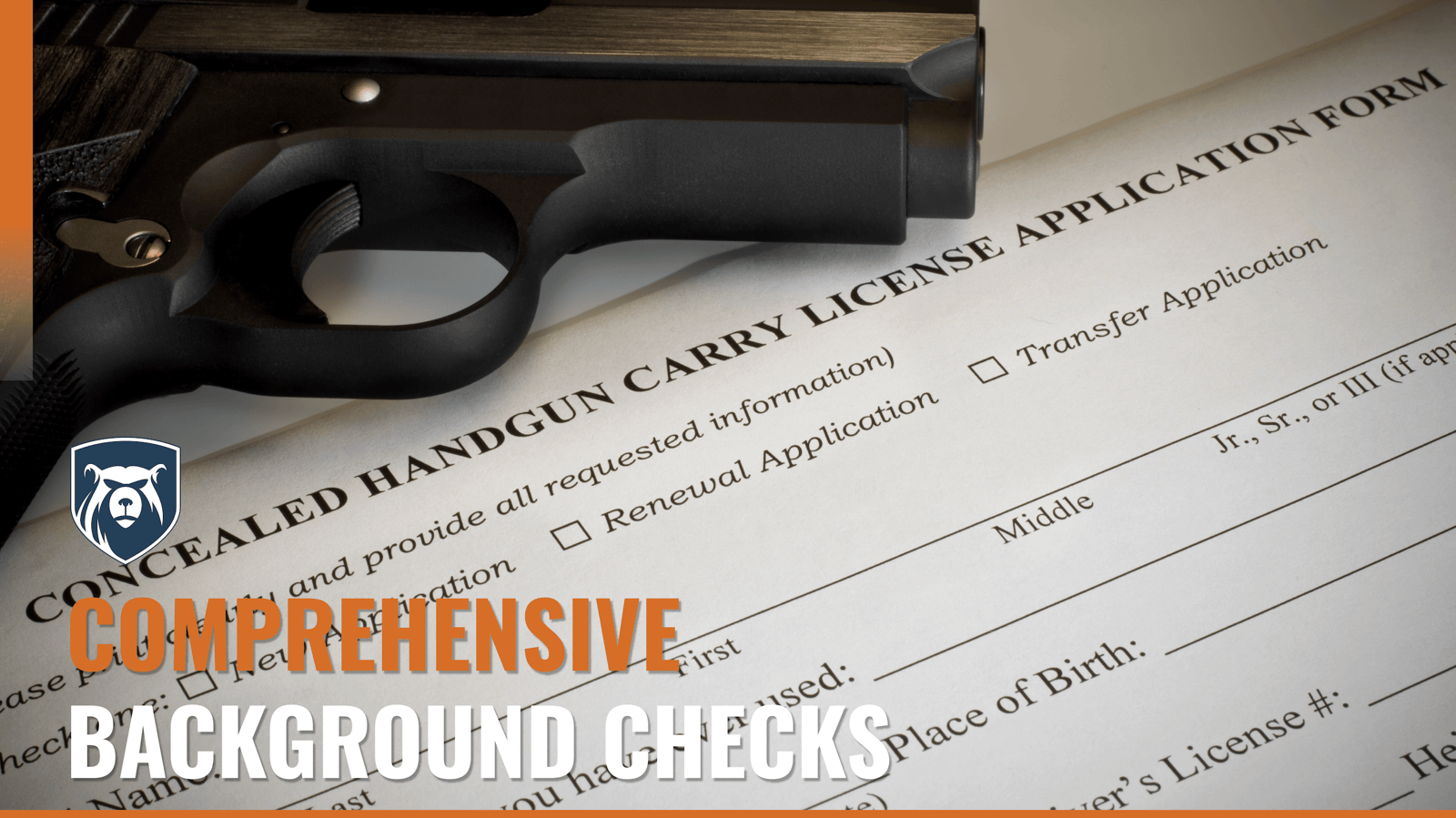
Gun background checks play a critical role in regulating firearm purchases and ensuring public safety. Conducted by the Federal Bureau of Investigation (FBI) through the National Instant Criminal Background Check System (NICS), these checks help determine whether a person is legally eligible to purchase a firearm. This comprehensive guide delves into the intricacies of the background check process, its implications, and related issues.
What Are Gun Background Checks and Why Are They Important?
Gun background checks are procedures that verify a person’s eligibility to purchase a firearm. These checks aim to prevent firearms from falling into the hands of individuals who are prohibited by law from owning them. By screening for factors like criminal records and mental health history, background checks serve as a preventive measure against gun-related violence and misuse.
How Does the Gun Background Check Process Work?
The process of conducting a gun background check involves several steps:
- Buyer Completes a Form: The prospective firearm buyer fills out Form 4473, a federal document that collects personal information and asks questions about the buyer’s criminal history and mental health.
- Submission to an FFL: The completed form is submitted to a Federal Firearms Licensee (FFL).
- FFL Contacts the FBI: The FFL transmits the form to the FBI electronically or by phone.
- FBI Performs the Check: The FBI reviews the buyer’s background using the NICS database.
- Notification of Results: The FBI notifies the FFL of the result, which could be:
- Approved: The buyer is eligible to purchase the firearm.
- Denied: The buyer is prohibited from purchasing a firearm due to state or federal restrictions.
- Delayed: The FBI requires additional time to complete the background check.
.png?width=600&height=421&name=Background%20Checks%20Infographic%20(1).png)
What Does a Background Check Include?
The NICS database includes several key factors to evaluate a buyer’s eligibility:
- Criminal Records: Any past convictions, pending charges, or indictments are reviewed.
- Mental Health History: Individuals adjudicated as mentally incompetent or involuntarily committed to mental health facilities are flagged.
- Civil Orders: Restraining orders, particularly those related to domestic violence, are considered.
- Immigration Status: Non-citizens must meet specific requirements to purchase firearms.
What Happens If a Background Check Is Denied?
A denial occurs when the FBI determines that the buyer is prohibited from purchasing a firearm under state or federal law. Common reasons include felony convictions, restraining orders, or mental health adjudications. If denied, the buyer has options:
- Challenge the Decision: Buyers can request a review of the denial if they believe it was made in error.
- Voluntary Appeal File: Buyers can apply to have their information corrected or clarified within the NICS system.
What Happens If a Background Check Is Delayed?
A delay means the FBI needs more time to complete the background check. Depending on state laws, the FFL may:
- Proceed with the Sale: In some states, if the background check remains unresolved after three business days, the FFL can transfer the firearm.
- Wait for Final Results: In other states, the FFL must wait until the FBI provides a definitive response.
What Are the Limitations of Gun Background Checks?
Despite their importance, background checks have limitations:
- Private Sales Exemptions: Federal law does not require background checks for private sales between individuals.
- Incomplete Databases: Not all state or local records are included in the NICS database, creating potential gaps.
- Straw Purchases: Individuals legally eligible to buy firearms may purchase them on behalf of someone prohibited from owning them.

What Is the Brady Act, and How Does It Relate to Background Checks?
The Brady Handgun Violence Prevention Act, enacted in 1993, requires federally licensed firearms dealers to conduct background checks on firearm purchasers. Named after James Brady, who was injured during an assassination attempt on President Ronald Reagan, the Act established the NICS system and set the framework for current background check regulations.
How Do State Laws Impact Gun Background Checks?
While the Brady Act provides a federal framework, states can implement additional regulations:
- Universal Background Checks: Some states require background checks for private sales, including at gun shows.
- Waiting Periods: Certain states impose mandatory waiting periods between the background check and the firearm transfer.
- Licensing Requirements: States like Illinois and Massachusetts require firearm owners to obtain specific licenses or permits.
What Are Some Proposals for Expanding Background Checks?
Recent proposals aim to close loopholes and strengthen the system:
- Universal Background Checks: Mandating checks for all gun sales, including private transactions.
- Enhanced Reporting: Improving state and local reporting to ensure that NICS databases are complete and up-to-date.
- Gun Show Regulations: Requiring background checks for firearms purchased at gun shows.
What Are Common Misconceptions About Gun Background Checks?
- Background Checks Confiscate Guns: Background checks do not remove firearms from current owners; they only apply to new purchases.
- All Gun Purchases Require Background Checks: Private sales and transfers in some states are exempt.
- Background Checks Are Immediate: While many checks are completed within minutes, some may take longer if additional research is needed.
Technology in Background Checks
Advancements in technology have the potential to revolutionize gun background checks, making them faster and more accurate. Automated systems and artificial intelligence are increasingly being explored to streamline the process. For example, AI-powered algorithms can quickly cross-reference multiple databases, flagging discrepancies or concerns more effectively than manual methods. Additionally, real-time updates to systems like the NICS database could minimize delays by providing instant access to the most up-to-date information.
Biometric technologies, such as fingerprint or facial recognition, could also be integrated into the background check process to verify identities and prevent fraudulent submissions. By leveraging these tools, the efficiency and reliability of background checks could be significantly enhanced, helping to prevent firearms from falling into the wrong hands.
Data Privacy and Security
One critical concern surrounding gun background checks is the protection of personal data. When individuals submit sensitive information, such as social security numbers and mental health history, ensuring that this data is securely stored and handled is essential. Breaches of this information could lead to identity theft, fraud, or misuse, undermining public trust in the system.
Federal agencies like the FBI, which oversee background checks through the NICS system, have implemented stringent cybersecurity measures to safeguard this data. However, as technology advances, so do cyber threats, necessitating continuous updates to data protection protocols. Transparent communication about data use and security practices is also crucial to maintaining public confidence in the background check process.
Global Comparisons
The United States' background check system can be contrasted with firearm regulation practices in other countries, offering valuable insights into alternative approaches. For example, countries like Japan and Australia have implemented comprehensive firearm screening processes that include not only background checks but also mandatory training, psychological evaluations, and character references.
These systems emphasize prevention by addressing broader aspects of firearm eligibility. In contrast, the U.S. relies primarily on database checks through NICS, which, while robust, may leave gaps due to incomplete state reporting or private sale exemptions. Examining global practices can help identify best practices and inspire reforms that balance individual rights with public safety more effectively.
Frequently Asked Questions About Gun Background Checks
What Are Gun Background Checks and Why Are They Necessary?
Gun background checks are critical for ensuring that individuals meet legal requirements before purchasing firearms. These checks involve verifying criminal records, mental health adjudications, and civil orders. They serve as a protective measure to prevent firearms from being sold to prohibited individuals. By requiring a detailed review of an individual’s background, these checks contribute to public safety and compliance with federal laws.
How Does a Background Check Work?
A background check begins when a prospective buyer provides their personal information and completes Form 4473. The data is submitted to the FBI, which conducts a search of the National Instant Criminal Background Check System (NICS) database. The results may indicate approval, denial, or a delay if additional time is needed to verify eligibility.
What Is Background Screening in Firearm Purchases?
Background screening is a comprehensive process that overlaps with background checks, focusing on various factors such as criminal history, mental health, and civil orders. It ensures a thorough review of all relevant records and contributes to informed decisions by sellers and authorities.
How Are Criminal Records Used in Gun Background Checks?
Criminal records are a core component of firearm background checks. The presence of a criminal record, such as felony convictions or pending charges, can lead to a denial. This detailed search helps enforce laws that prohibit certain individuals from owning firearms.
What Is the Purpose of Universal Background Checks?
Universal background checks aim to close existing loopholes by requiring checks for all firearm sales, including private transactions and those conducted at gun shows. This expansion ensures that all buyers, regardless of where they purchase, undergo the same rigorous screening to verify their eligibility.
What Happens During a Delayed Background Check?
A delayed background check occurs when the FBI requires additional time to complete the verification process. Depending on state laws, firearm transfers may proceed after three business days if no decision is reached. This delay can arise due to incomplete records or the need to resolve discrepancies in the buyer’s background.
What Are the Key Elements of a Background Screening Process?
A detailed background screening includes:
- Reviewing criminal records for disqualifying offenses.
- Verifying mental health adjudications or commitments.
- Checking civil orders such as restraining orders.
- Ensuring compliance with federal and state laws regarding firearm ownership.
How Does the Brady Act Relate to Background Checks?
The Brady Handgun Violence Prevention Act established the framework for conducting background checks on firearm purchases. It requires federally licensed dealers to use the NICS system to screen buyers. This program has played a key role in preventing ineligible individuals from acquiring firearms.
What Companies Provide Background Check Services for Employers, Like Checkr and Sterling?
While the FBI handles firearm background checks, companies like Checkr and Sterling specialize in employment screening and criminal record reviews. These services, often used by employers, demonstrate the broader applications of background checks in ensuring public safety and compliance.
What Are the EEOC Guidelines for Criminal Background Checks?
The EEOC provides guidelines for conducting criminal background checks in employment to prevent discrimination. While unrelated to firearm sales, these guidelines emphasize fairness in screening and highlight the importance of ethical practices in reviewing personal records.
How Do Background Checks Support Public Safety?
Background checks are vital for supporting public safety by ensuring firearms do not end up in the hands of individuals who pose risks. This includes those with disqualifying criminal records, mental health adjudications, or other red flags identified during the background screening process.